




Ždiar and the Belianske Tatras
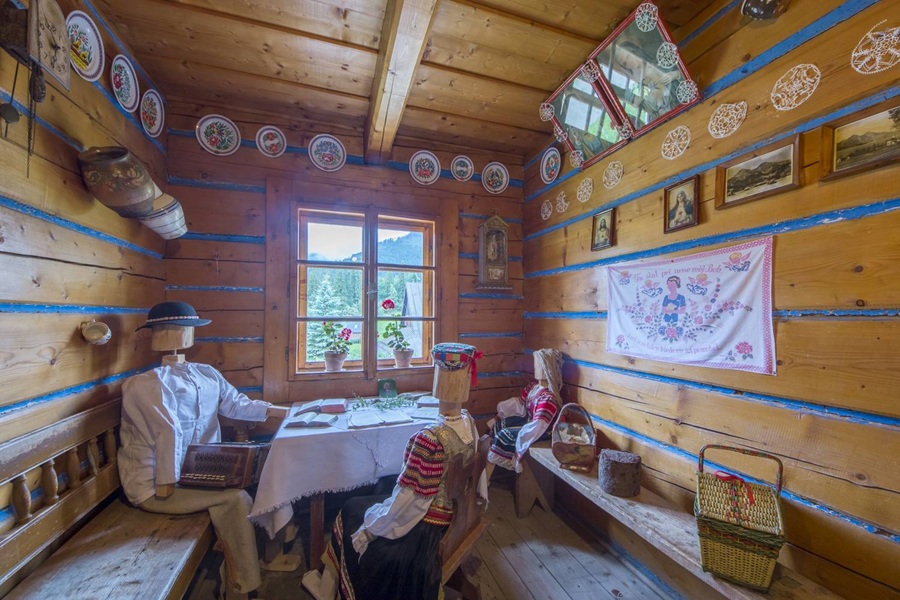
Ždiarsky Dom Museum (Ždiar)
The village of Ždiar is one of Slovakia’s hidden gems. It is a distinctive mountain village beneath the Tatras, known for its typical traditions, customs and folklore. You can learn more about the life, customs and housing of the people of Ždiar in the local museum. In addition to an engaging interpretation by the museum curator dressed in traditional Ždiar folk costume, visitors also have the opportunity to experience a traditional Ždiar wedding and dress in folk costume, in which they can also have their photo taken. Additional accompanying activities may include a horse-drawn carriage ride, tasting local specialties or listening to Goralian folk music.
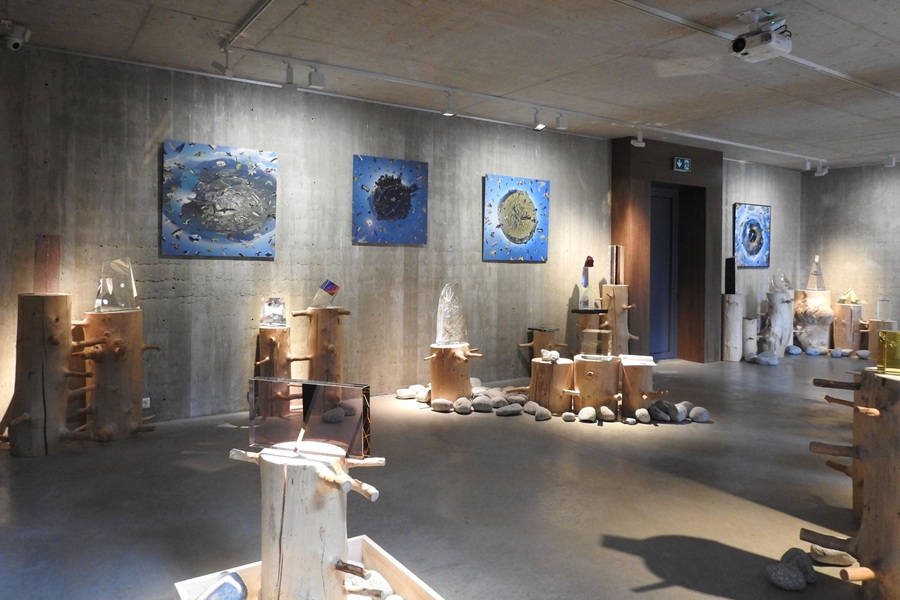
Stone Art Gallery (Ždiar)
The first ART Gallery in Ždiar.
It exhibits works by Ján Zoričák, who studied glassmaking at the art school in Železný Brod in the Czech Republic, and later at the Academy of Arts, Architecture and Design in Prague, graduating in 1969. Not long afterwards, he moved abroad. In 1972, he won a bronze medal at a glass exhibition in Munich; in 1980, he received the Glaspreis award in Switzerland; this was followed by recognition in Spain, and in 1984 he also received an award for a sculptural work in Bratislava. In 1986, he was also honoured in his second homeland, becoming a Knight of the Order of Arts and Letters of the French Republic. In 2013, the President of the Slovak Republic awarded him the Order of Pribina, 1st Class.
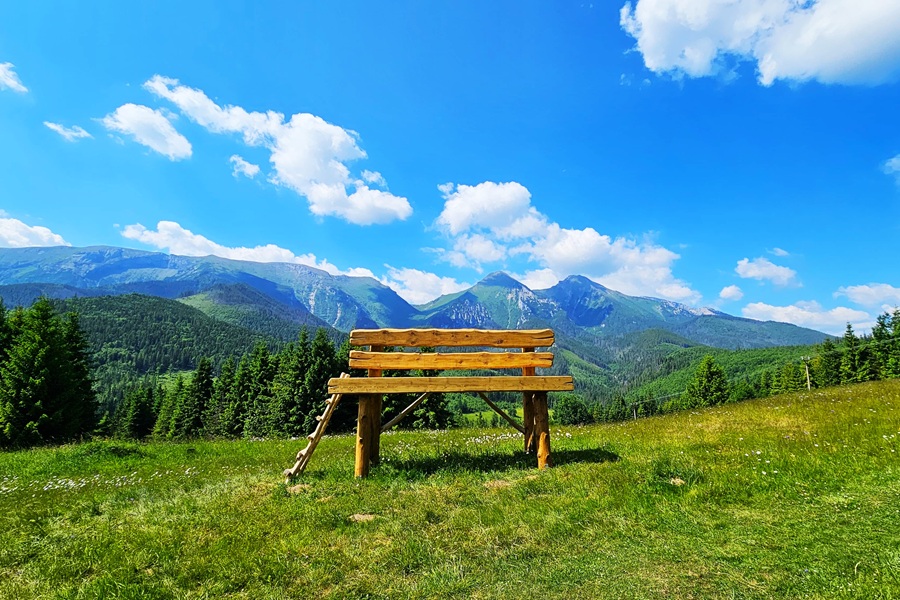
Giant Bench (Ždiar)
The Giant Bench in Ždiar is one of the popular viewpoints in the surroundings of Bachledka. It is located on the route from Ždiar towards Strednica and offers beautiful panoramic views of the village of Ždiar, Monkova Valley and the Belianske Tatras. Thanks to its original design and easy access, it has become a sought-after spot for a short stop, relaxation and taking photos.
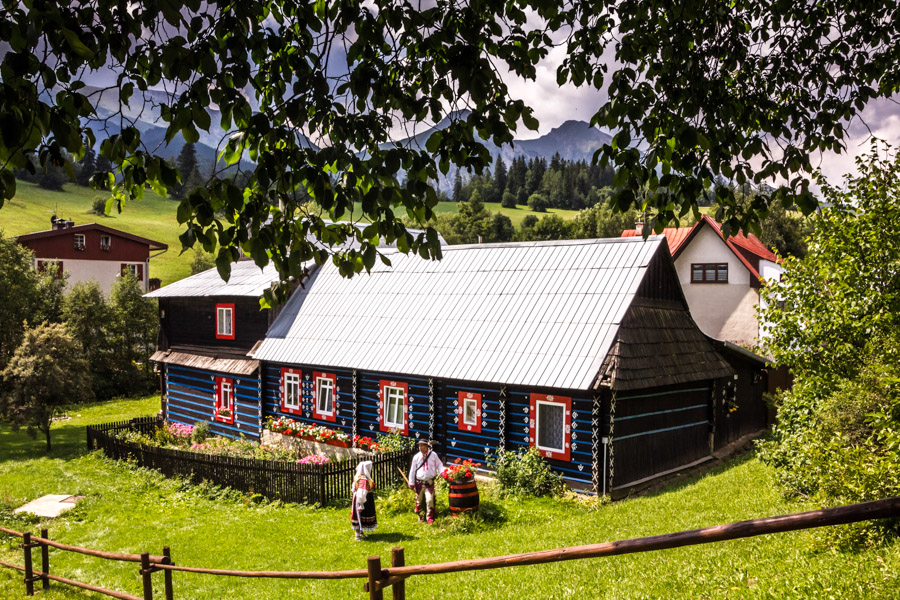
Folk Architecture (Ždiar, Osturňa, Jezersko, Malá Franková)
The distinctive villages beneath the Tatras and in the Zamagurie region are a true showcase of folk architecture. As you walk through them, you can admire colourfully painted and decorated wooden houses, and sometimes even locals dressed in traditional folk costumes on their way to church or a folklore festival.
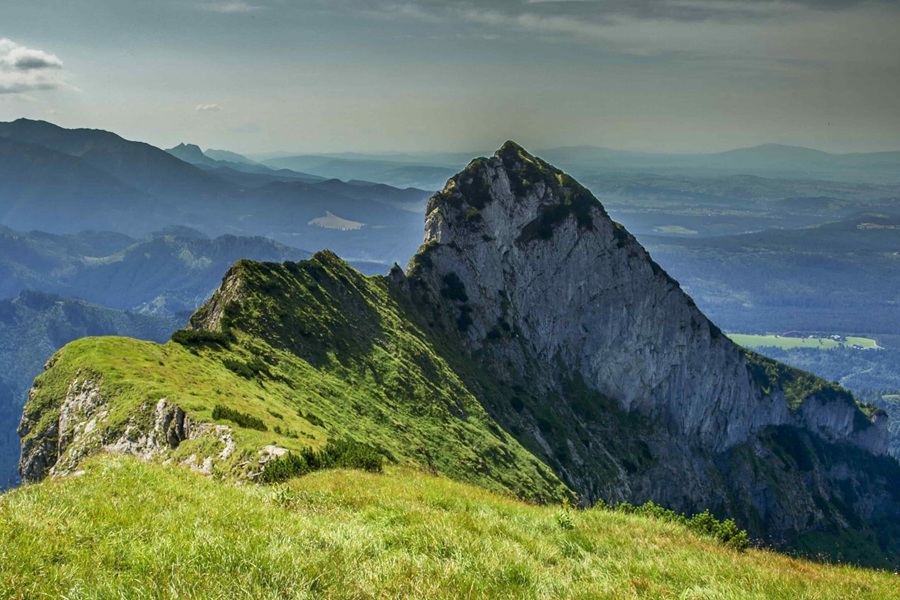
Monkova Valley and Kopské Sedlo (Ždiar)
Monkova Valley is located in the Belianske Tatras National Nature Reserve. It is accessible only during the summer season and is one of the two valleys open to visitors in the Belianske Tatras. It runs between Ždiarska vidla (2,141 m) and Hlúpy vrch (2,060 m). The starting point is the village of Ždiar, from where the valley climbs through Široké sedlo (1,825 m) to Kopské sedlo (1,750 m), and from there it is possible to descend to the Green Lake Valley or the Kežmarská Biela voda Valley.
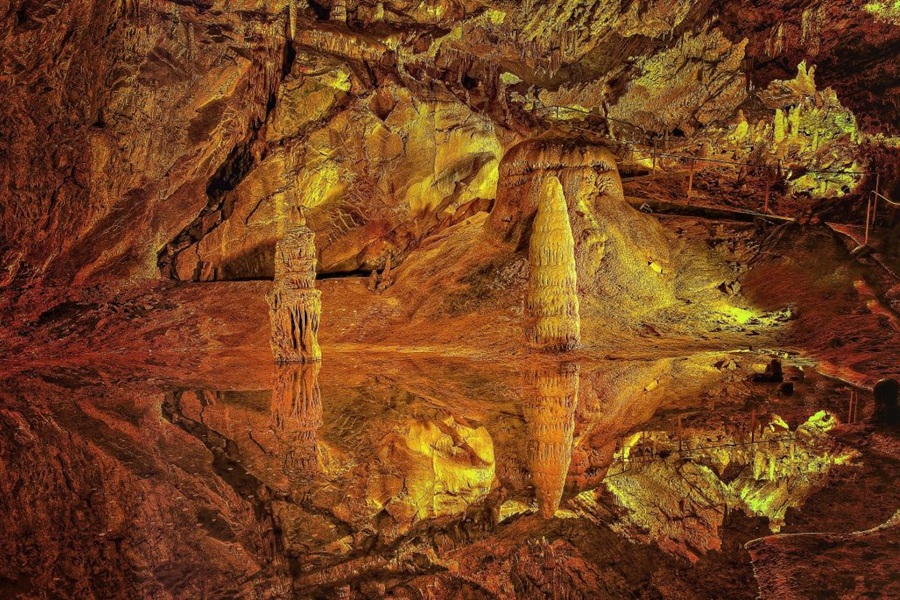
Belianska Cave (Tatranská Kotlina)
In Tatranská Kotlina, you can visit the unique Belianska Cave – the largest and only accessible high-altitude dripstone cave in the Tatra National Park. The sightseeing route is 1,370 metres long with an elevation gain of 125 metres, and along the way you will climb 860 steps. In addition to Belianska Cave, there are also two smaller freely accessible caves in Tatranská Kotlina: Hučivá diera on the way to the Plesnivec mountain hut and Elektrárenská Cave in the direction of the village of Lendak.
Zamagurie
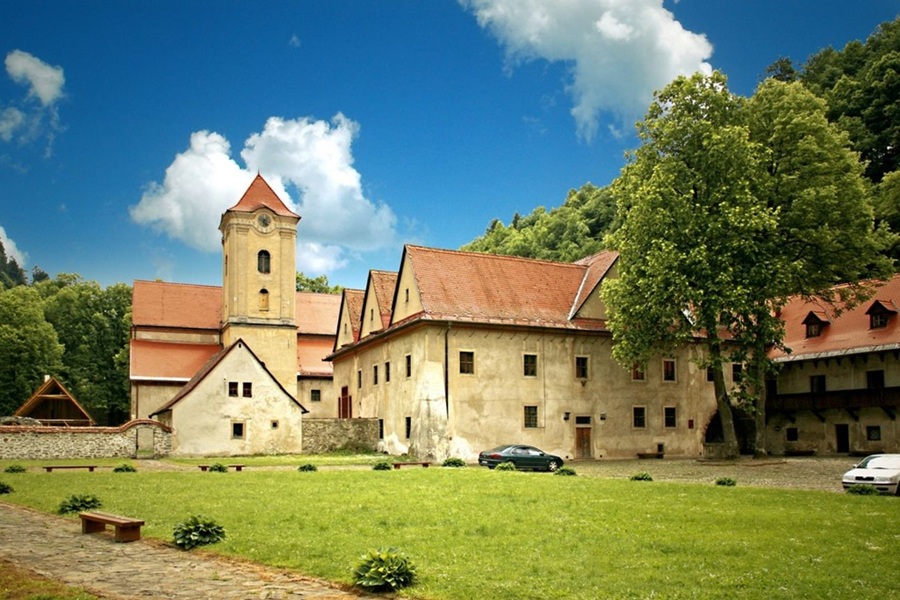
Červený Kláštor Museum (Červený Kláštor)
The monastery originally served the Carthusian order and later the Camaldolese monks. The museum exhibition presents the history and monastic life of these religious orders, as well as rare historical artefacts not only from Červený Kláštor, but also from the entire northern Spiš region. The exhibition also focuses on the life story of the famous “flying” monk Cyprian and his fellow monk Romuald Hadbavný, the author of the first codification of the Slovak language and a translator of the Bible into Slovak.
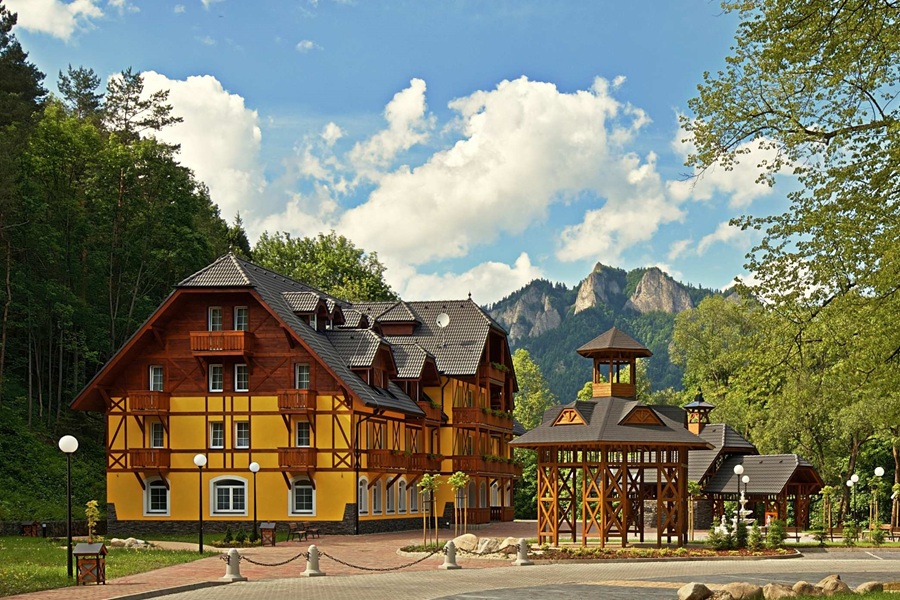
Červený Kláštor Spa – Smerdžonka (Červený Kláštor)
The first spa to be restored after the war and currently the most modern spa in Slovakia is located in the heart of the beautiful Pieniny Mountains. The unique natural healing water from the Smerdžonka spring, thanks to its mineral-rich composition and hydrogen sulphide content, helps treat skin conditions, musculoskeletal disorders, digestive system diseases and neurological disorders. Thanks to its clean air and exceptional climate, the spa has also been granted the status of a climatic spa. In addition to mineral bath treatments and saunas, an outdoor pool with a counter-current is also available, especially during the warmer months. Every year, the spa grounds host the Zamagurie Folklore Festival and the Gathering of Gorals in the Pieniny Mountains.
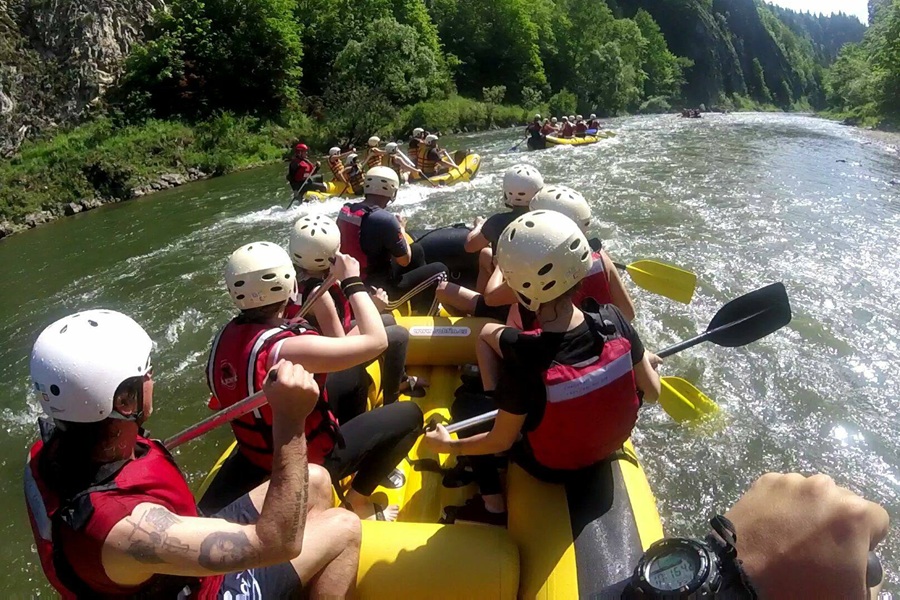
Traditional wooden Rafts, Rafting and Kayaks on the Dunajec River (Červený Kláštor)
The beauty of the Pieniny National Park and its nature can be experienced by bike, on a walk along the Dunajec River, or directly from the river itself. A very popular attraction is a rafting trip on the Dunajec aboard traditional wooden rafts departing from landing points in Spišská Stará Ves, Majere and Červený Kláštor. Those who enjoy adrenaline can also try rafting down the Dunajec with an experienced instructor from Červený Kláštor all the way to the landing point near Lesnica.
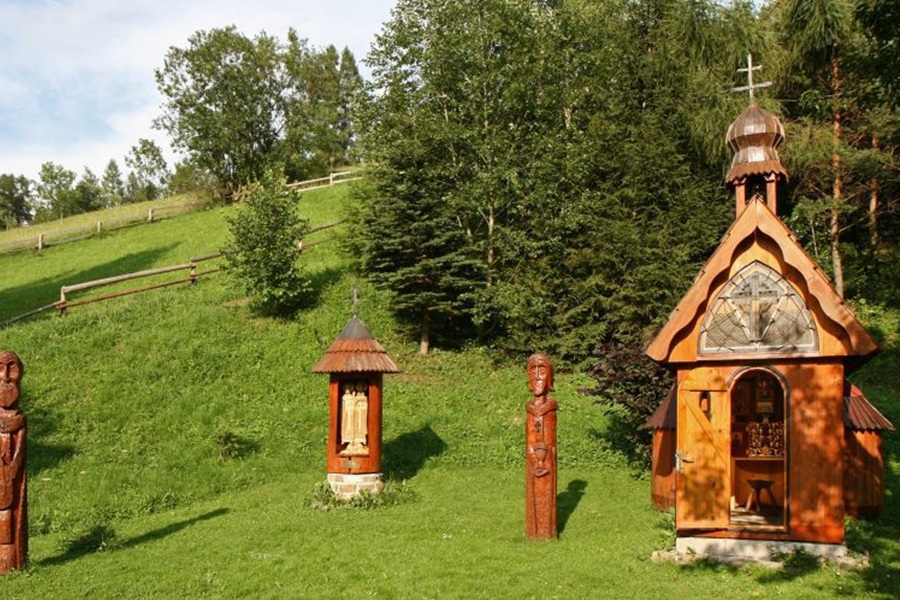
Ogrod sv. Sedmopočetníkov – Museum of the Glagolitic Script (Malá Franková)
Located in the grounds of the private courtyard of the Chata and wooden cottage Pod Furmancom in the village of Malá Franková, this unique folk museum of the Glagolitic script – Ogrod sv. Sedmopočetníkov – is one of a kind in both Slovakia and Europe. The site includes a scaled-down replica of the first Slovak church with complete furnishings, which holds a Slovak record as the smallest consecrated church in Slovakia. The grounds are complemented by wooden statues of Saints Cyril and Methodius and their first disciples, symbols of the Glagolitic alphabet, and a sandstone statue of the Byzantine Mother of God with Isus Christus. The entire site was created by the Roman Catholic priest Donát Čarnogurský. Admission to the grounds is free, and if the owners are present, visitors may also enter the little church. Besides being home to the smallest church in Slovakia, Malá Franková also holds several other records: it is the highest-altitude village in Zamagurie, home to the highest illuminated wooden cross in Slovakia, and the only wooden church in Zamagurie – the Church of St. Joseph.
Spišská Belá
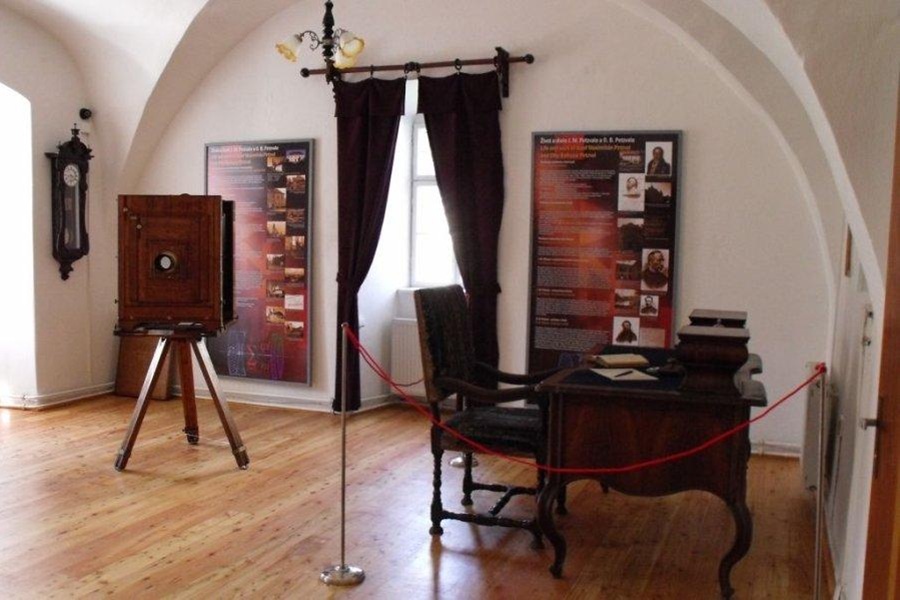
J. M. Petzval Museum
The Petzval Museum presents the life’s work of J. M. Petzval, the father of modern photography, together with an overview of the development of optical imaging up to the first image that came to be called a photograph in the 19th century. Also preserved here are photocopies of the calculations for his most famous lens, an all-metal daguerreotype camera with a Petzval lens, and other rare results of his work.
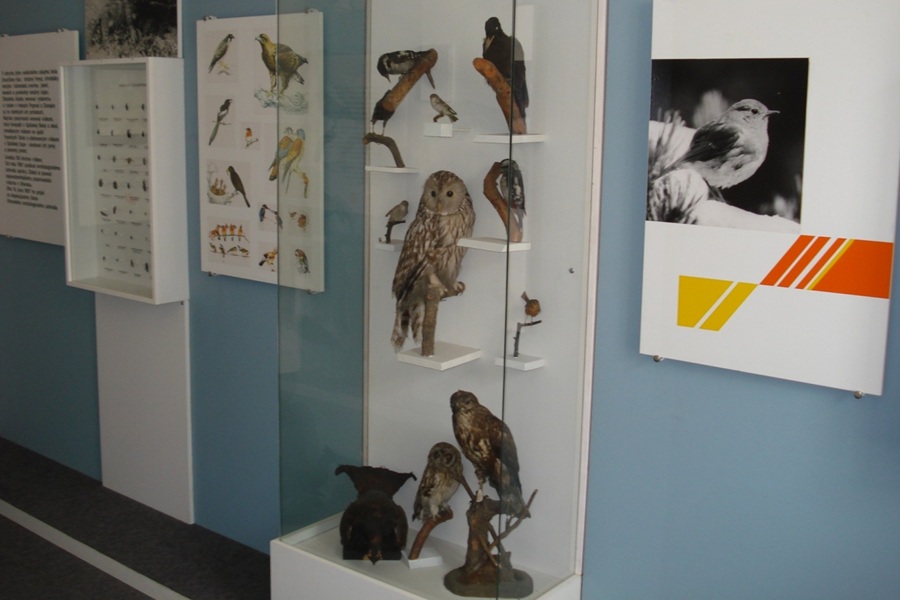
Dr. Michal Greisiger Museum
The Michal Greisiger Museum presents the life and work of the polymath and town physician M. Greisiger, together with the history of the town itself. In addition to his work as a town doctor, Dr. Greisiger devoted himself to researching the flora and fauna of Spiš and to archaeological research in the region.
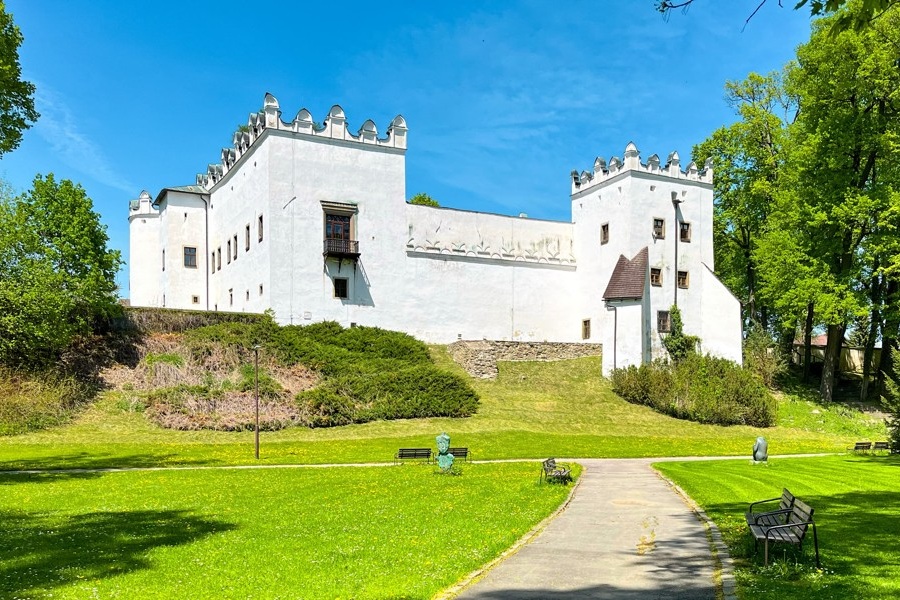
Strážky Manor House
After the death of its last owner in 1972, the Slovak National Gallery became the administrator of the manor house. The permanent exhibitions mainly present the work of Ladislav Mednyánszky, the collections of the historic library, and the manor house furnishings. Today, various cultural events are held at the manor house, and the Castle Games are organised there every year. Visitors can also enjoy pleasant relaxation in the extensive manor grounds and the adjoining English park.
High Tatras
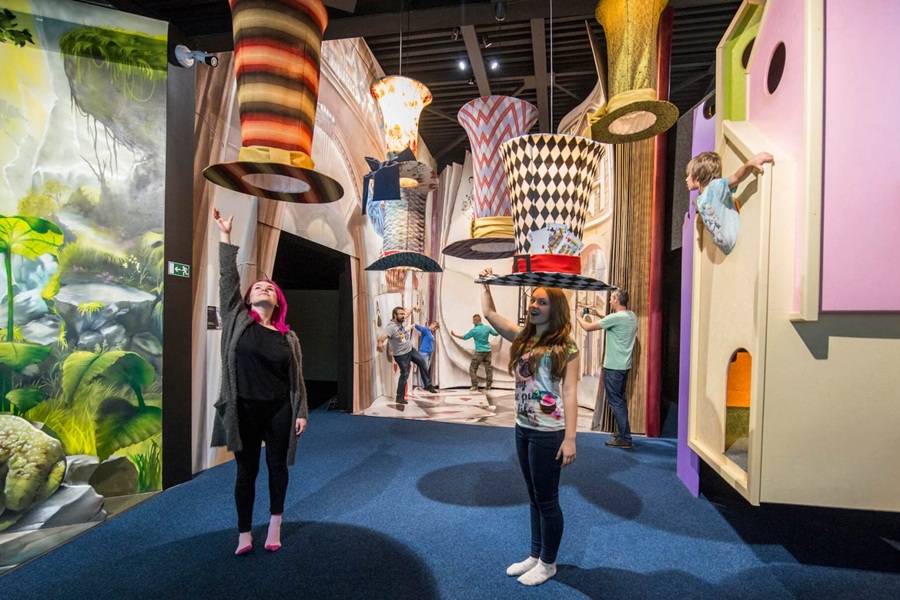
TrickLandia (Starý Smokovec)
TrickLandia is a place where you can experience a unique journey through Slovakia in a gallery of trick art and optical illusions. Inside, you will find themes inspired by Slovak folk legends, fairy tales, as well as depictions of Slovak villages and castles. It covers an area of 500 m² and features 24 attractions. These include 15 trick-art paintings, augmented reality, anti-gravity rooms, the most beautiful mirror maze in Central Europe, and more.
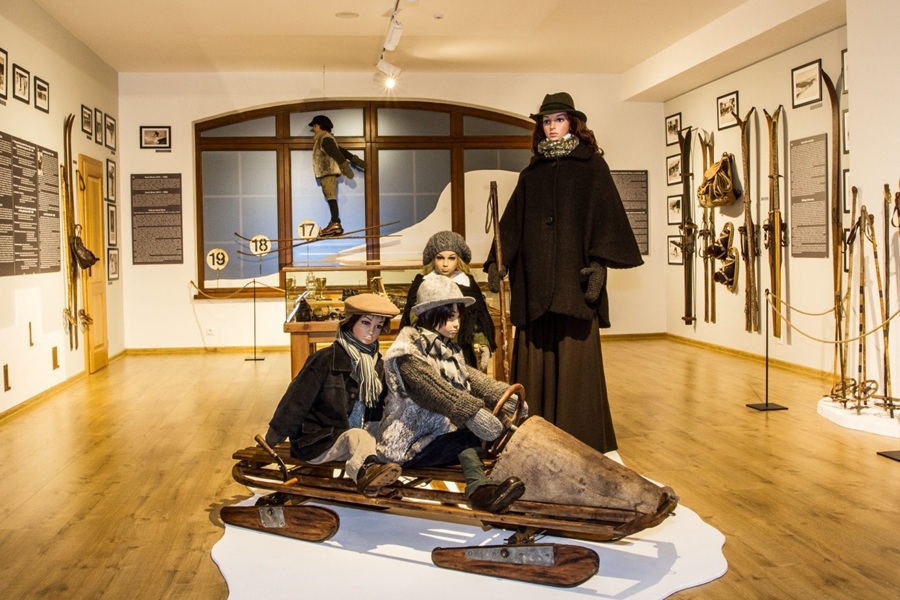
Ski Museum (Tatranská Lomnica)
The museum is dedicated to the history, origins and development of winter sports in the High Tatras from their very beginnings up to 1945. The biggest attractions for visitors are 3.07-metre-long skis from 1885, an exhibition of old bobsleighs, and a workshop for the production of skis, ski poles and ski boots.
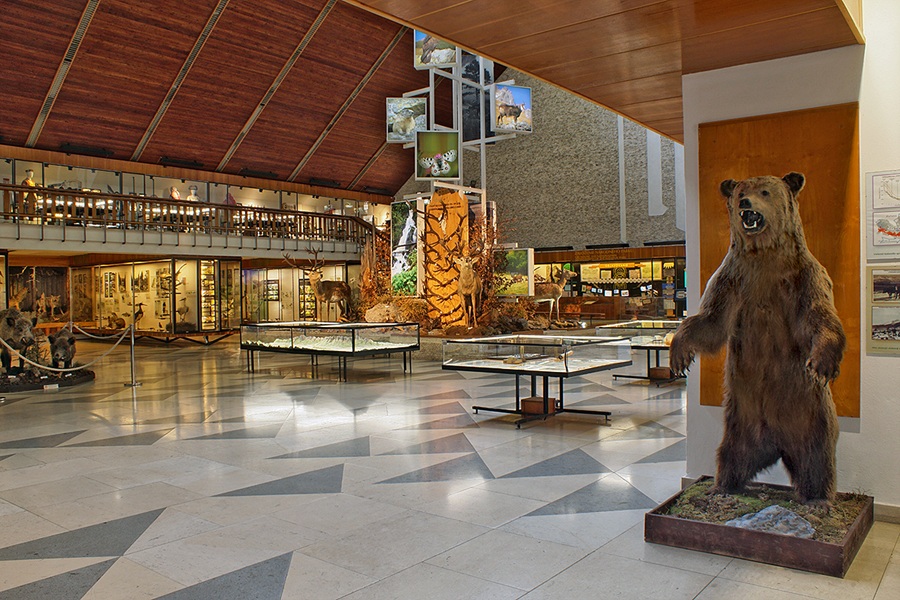
TANAP Museum (Tatranská Lomnica)
The TANAP Museum in Tatranská Lomnica is one of the most important cultural and educational sites below the Tatras. The exhibition introduces visitors to the nature, history and protection of the Tatras, as well as the life and culture of the sub-Tatran people in the past. A characteristic part of the museum is its impressive dioramas of Tatra fauna and landscapes, which complete a unique picture of the Tatra National Park.
Poprad
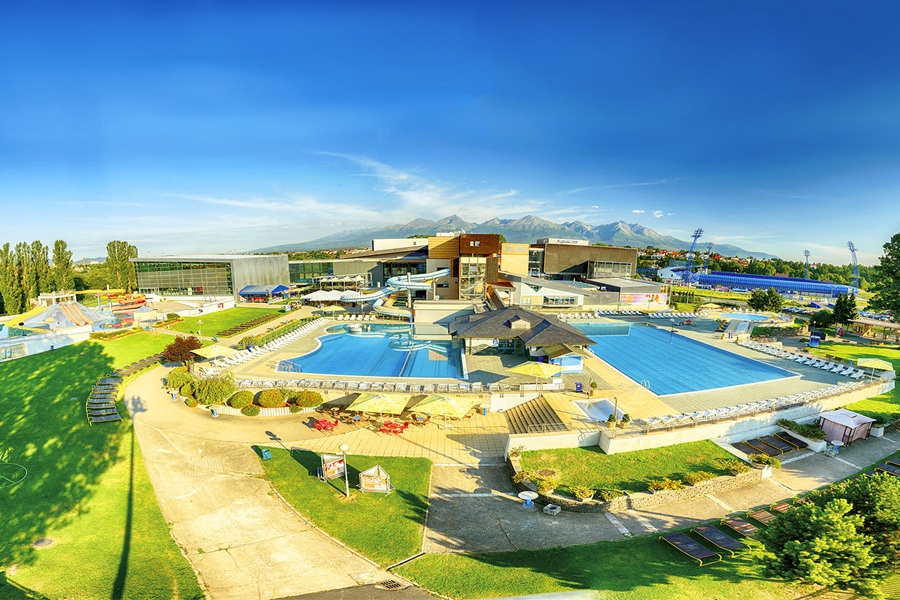
AquaCity Poprad
This water resort is located in the town of Poprad, right below the High Tatras. Visitors can enjoy 13 thermal and relaxation pools and 350 water attractions. Relaxation awaits in the two-storey Fire&Water SPA sauna world as well as in the relaxation pools. Every evening, a large laser show takes place in the BlueSaphire pools, providing a perfect ending to a stay in this water world.
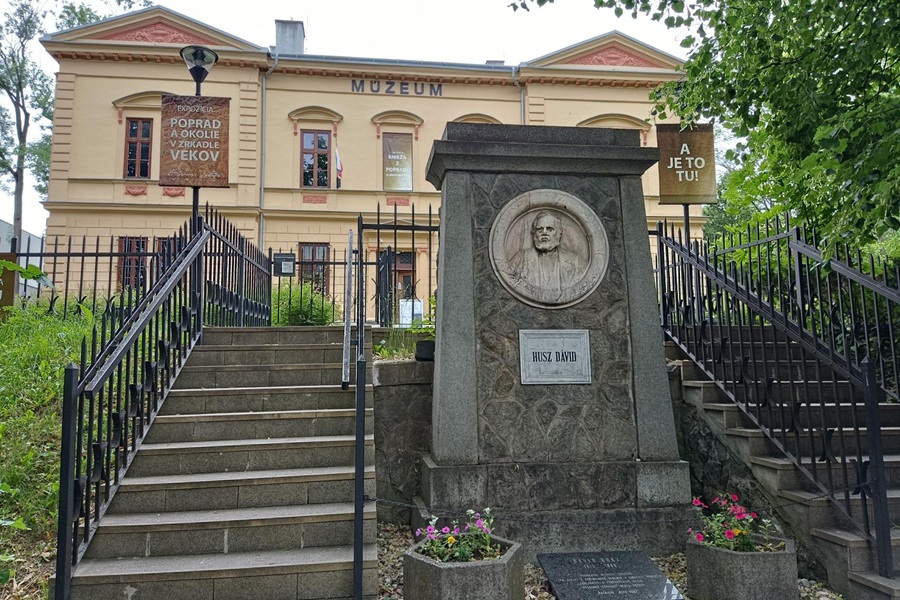
Podtatranské Museum
The Podtatranské Museum in Poprad is one of the oldest museums in Slovakia and represents an important cultural institution of the sub-Tatran region. Its history dates back to the 19th century, and it introduces visitors to the history, nature and cultural heritage of the area below the Tatras. The museum is housed in a historic building, and its collections offer insight into the rich past of the region. The museum also features an archaeological discovery of European significance in the exhibition titled “The Prince of Poprad and His Tomb.”
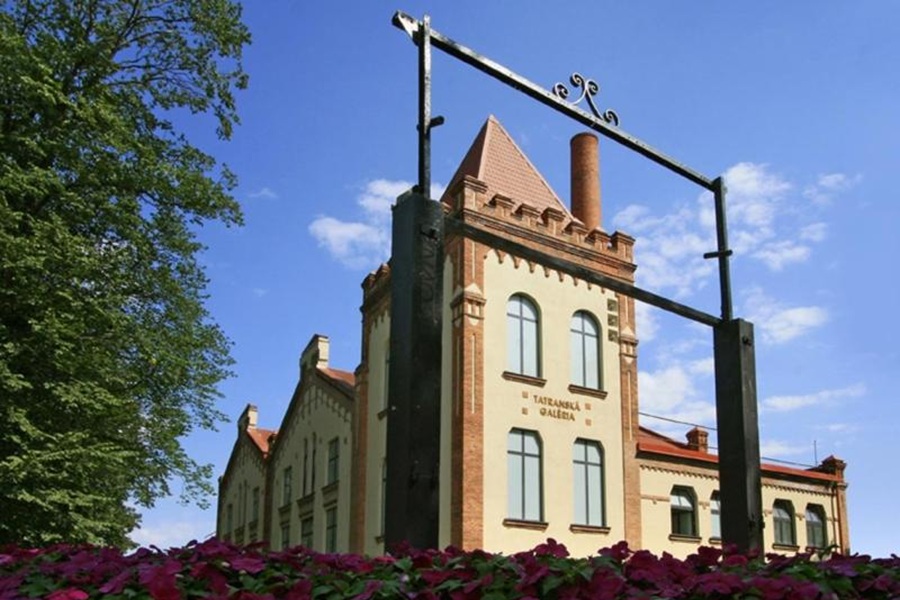
Tatra Gallery
The Tatra Gallery in Poprad is one of the most important cultural institutions in the sub-Tatran region. It was founded in 1960 and today is housed in the unique premises of a former steam power plant, which gives it a distinctive character. The gallery is dedicated to fine art, and through its exhibitions, collections and cultural events, it enriches the artistic life of the town and the entire region.
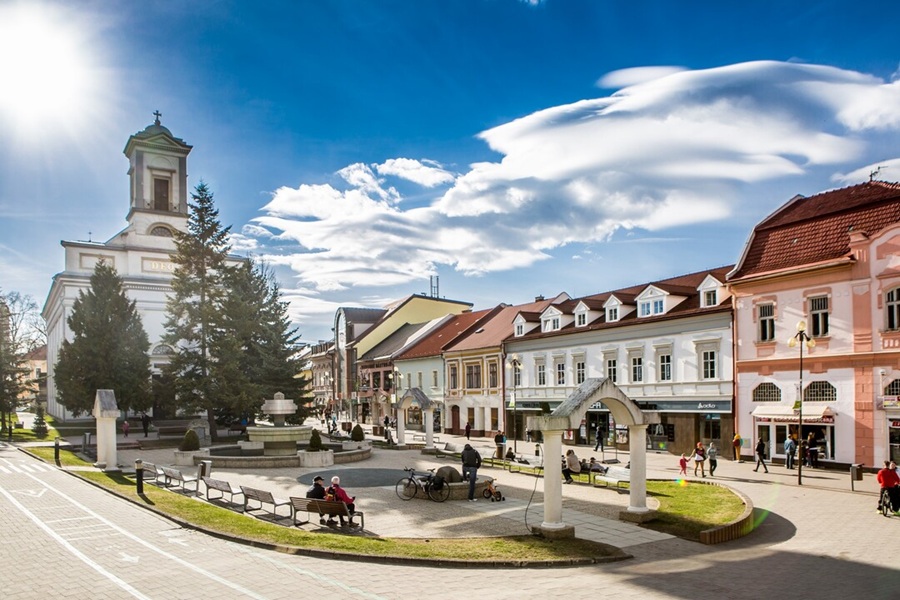
St. Egidius Square and St. Egidius Church
St. Egidius Square forms the historic centre of Poprad and is one of its most important urban spaces. Its dominant feature is St. Egidius Church, a valuable cultural and historical monument dating back to the second half of the 13th century. The church impresses with its Gothic origins, valuable medieval paintings, and is an inseparable part of the unique character of the town centre.
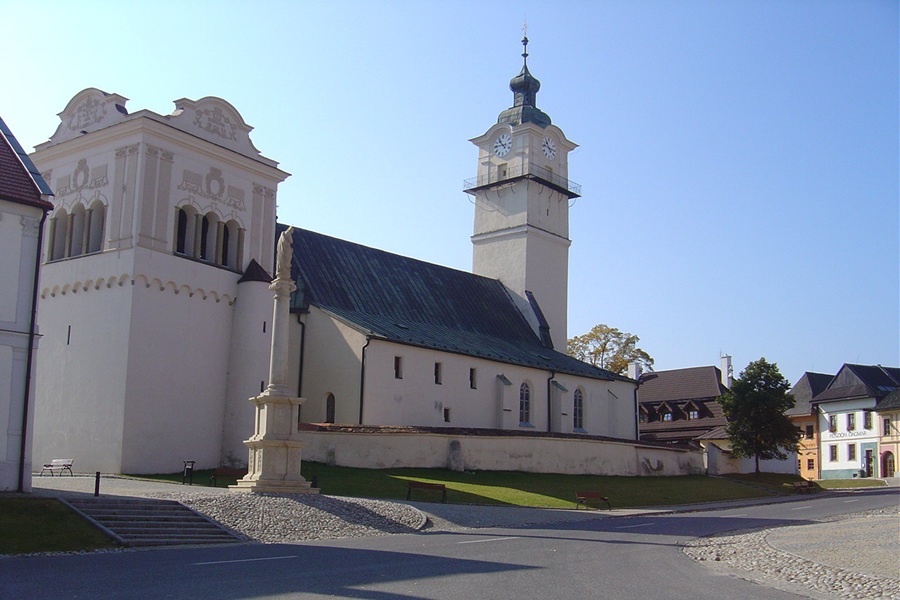
Spišská Sobota
Spišská Sobota is one of the most valuable historic parts of Poprad and still preserves the unique character of a former Spiš town. Its heart is a triangular square lined with burgher houses, dominated by St. George’s Church with its valuable Gothic decoration. Thanks to its urban and architectural significance, Spišská Sobota was declared an urban heritage reservation.
Kežmarok
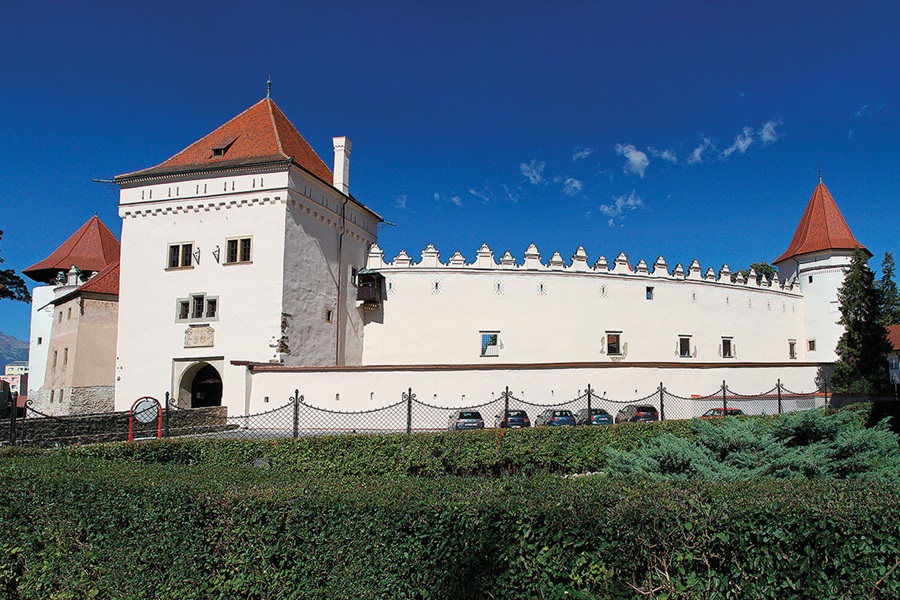
Kežmarok Castle
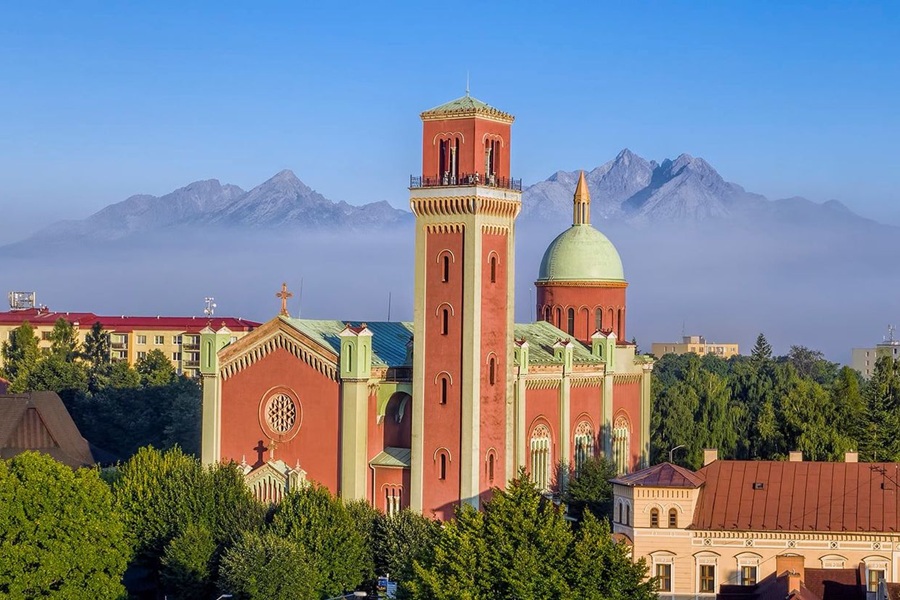
The New Evangelical Church in Kežmarok
The New Evangelical Church in Kežmarok is one of the city’s important architectural landmarks. It was built at the end of the 19th century and impresses with its monumental appearance, rich decoration, and unique oriental elements. It contains Byzantine, Romanesque, Renaissance, Moorish, and various oriental features. The church also includes the mausoleum of Imre Thököly, which enhances its historical and cultural significance.
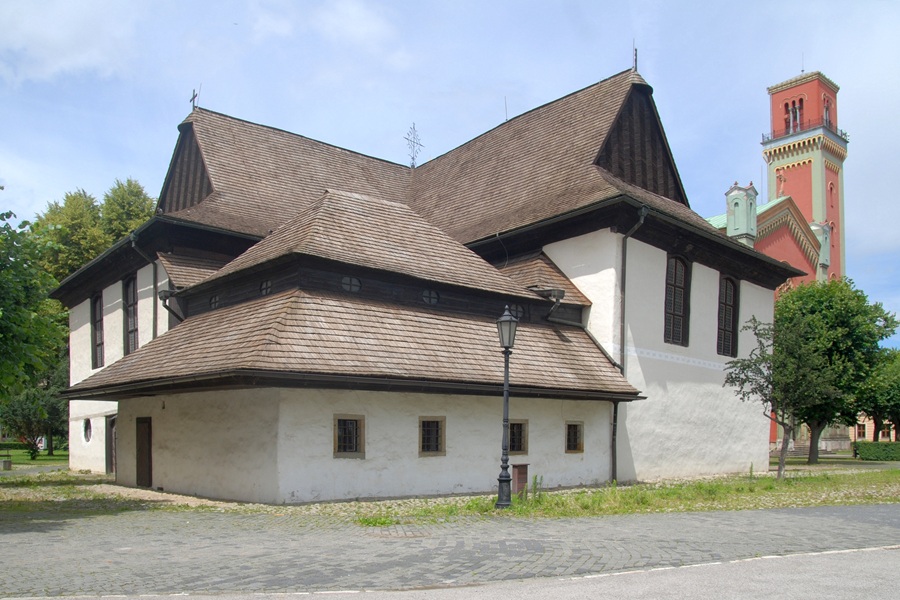
The Wooden Articular Church in Kežmarok
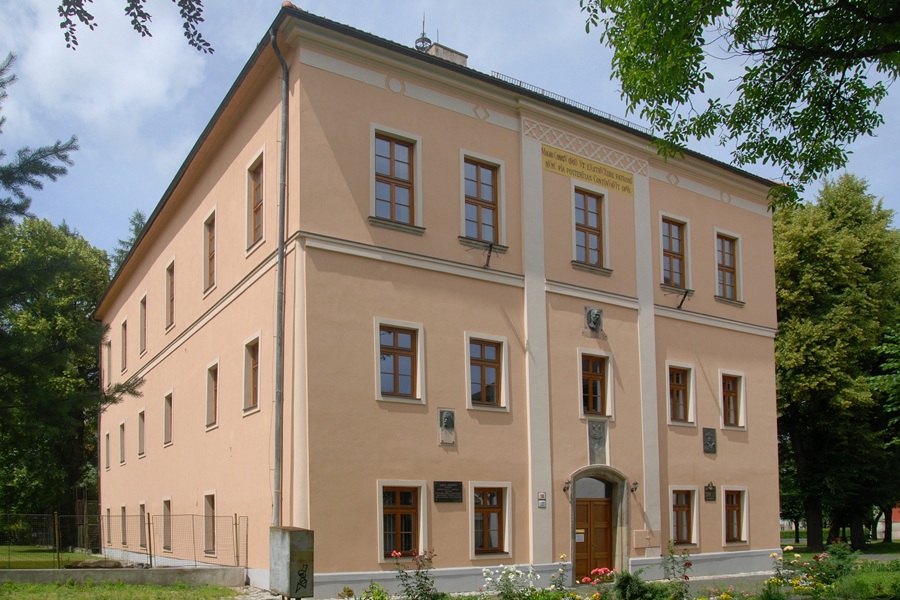
Evangelical Lyceum in Kežmarok
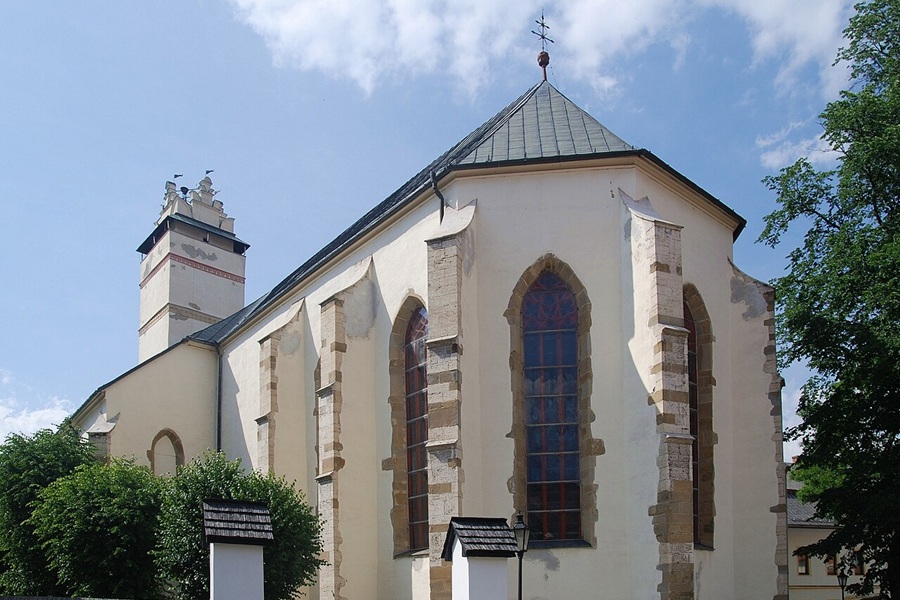
Basilica of the Holy Cross and the Bell Tower in Kežmarok
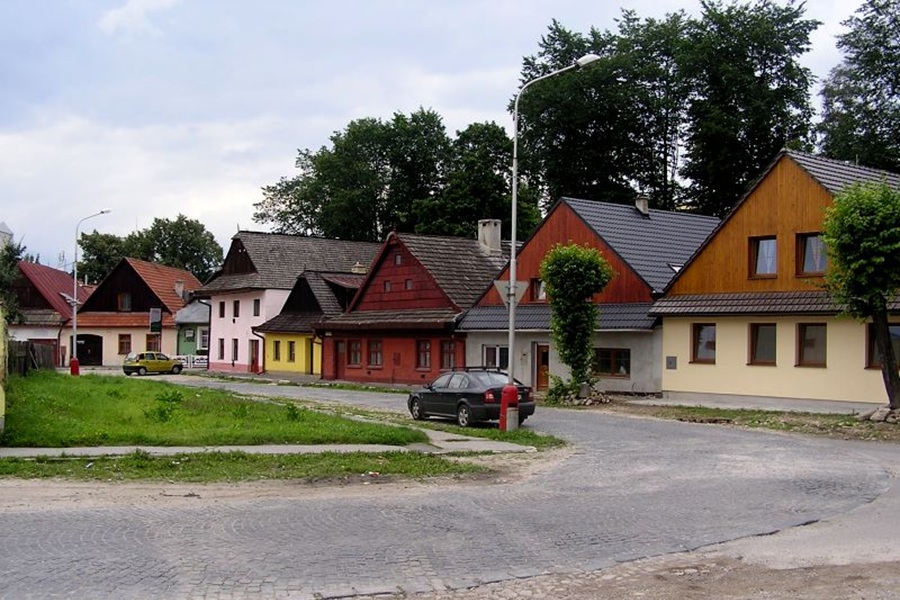
Old Market – the oldest street in Kežmarok
Spiš
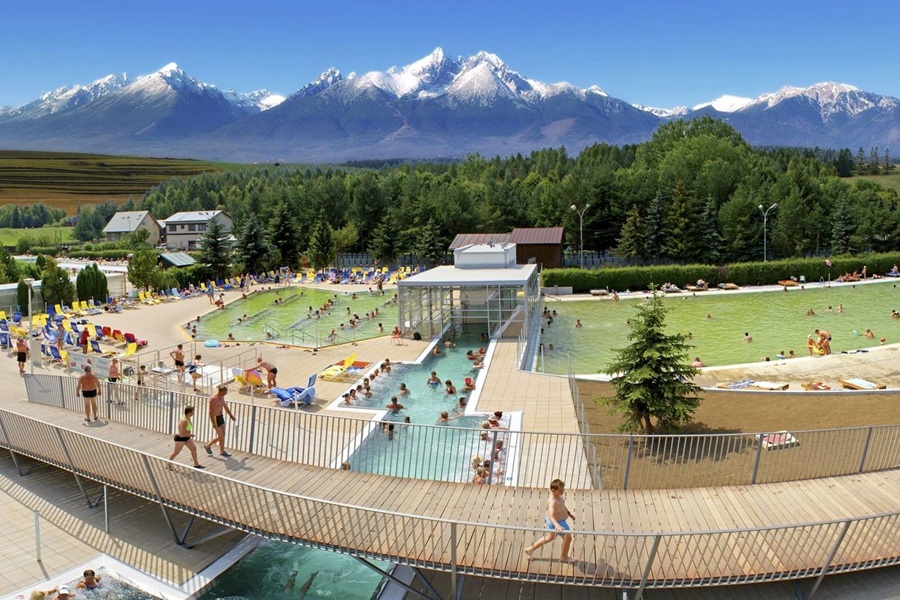
Vrbov Thermal Pool (Vrbov)
Thermal Park Vrbov is located in the village of Vrbov, near the town of Kežmarok. It is open all year round and offers visitors bathing in ten pools (including four children’s pools) filled with natural geothermal water rich in beneficial minerals, with pool temperatures ranging from 26 °C to 38 °C. The composition of the water is one of the richest among all mineral waters in Slovakia and Central Europe. It has exceptionally beneficial effects on the musculoskeletal system, skin, respiratory system and cardiovascular system. The Thermal Park also features the first Mini Dinosaur Park in Slovakia.
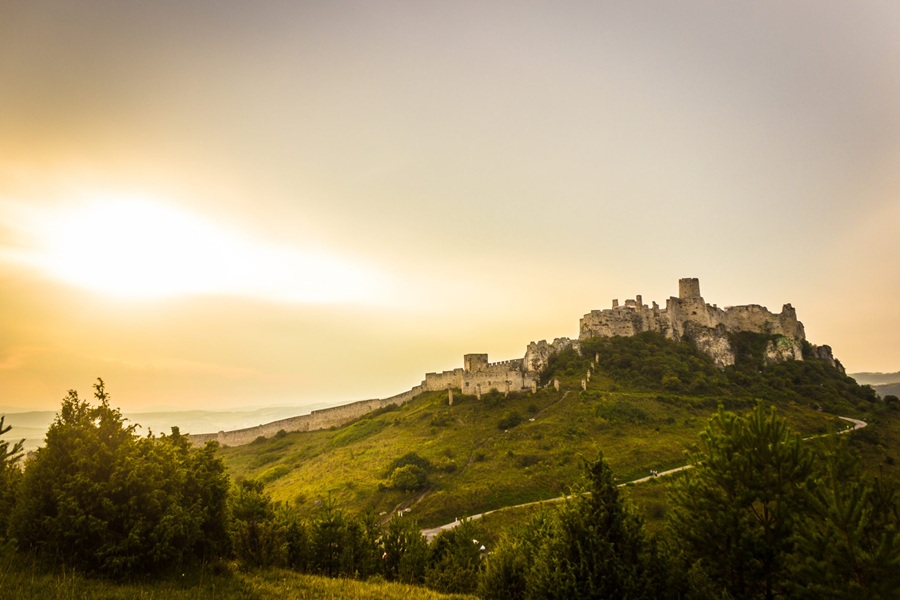
Spiš Castle (Žehra)
Spiš Castle is one of the most important cultural monuments in Slovakia and one of the largest castle complexes in Central Europe. The castle ruins rise on a travertine hill more than 200 metres high and impress visitors from afar. The history of the castle dates back to the 12th century, and thanks to its preserved Romanesque and Gothic elements, it represents an exceptional example of medieval architecture. Long before the castle was built, there was a Celtic settlement on this site, and later a Slavic hillfort on the neighbouring hill. It was the seat of the chief ispáns of Spiš and remained inhabited until the end of the 17th century. Together with other monuments of Spiš, it is inscribed on the UNESCO World Heritage List and is an important symbol of the region.
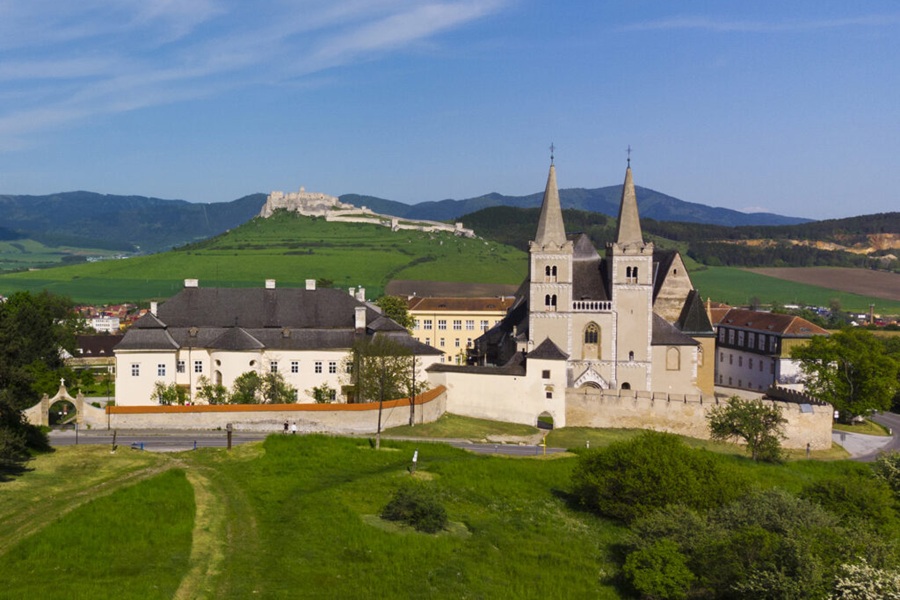
Spiš Chapter (Spišské Podhradie)
Spiš Chapter is one of the most important ecclesiastical monuments in Slovakia. This historic church town, also known as the Slovak Vatican, was established at the turn of the 12th and 13th centuries and has preserved its unique medieval character to this day. Since 1776, it has been the seat of the Diocese of Spiš. Among its monuments, special attention should be paid to the late Romanesque St. Martin’s Cathedral, which dominates the entire town, the Romanesque statuette known as the “White Lion”, the altar in the Zápolya Chapel, and the beautiful Renaissance epitaphs of Imrich and Štefan Zápolya. Together with Spiš Castle and other monuments in the surrounding area, it is inscribed on the UNESCO World Heritage List.
Levoča
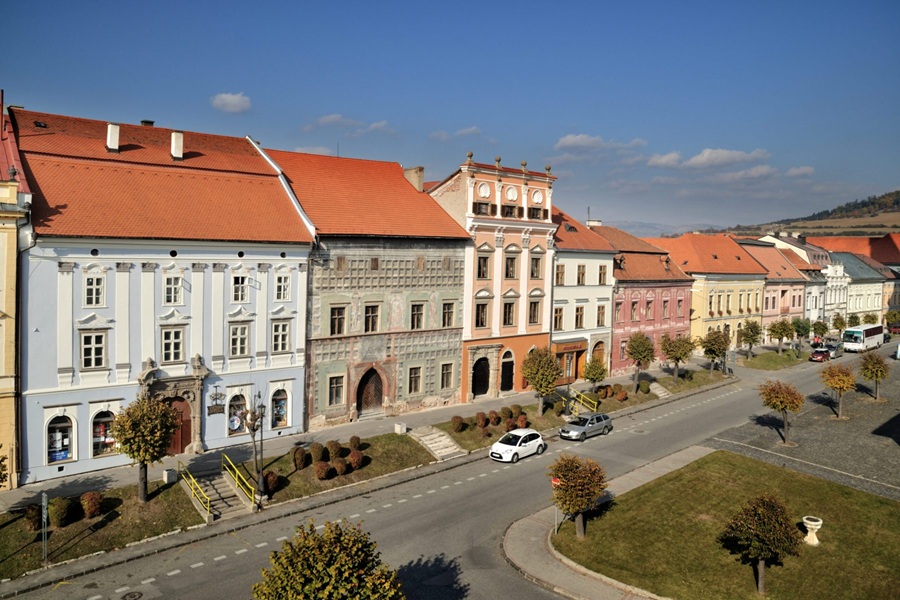
Master Paul’s Square
Master Paul’s Square forms the historic heart of Levoča and is one of the most valuable urban heritage ensembles in Slovakia. It is surrounded by precious burgher houses that have preserved their Gothic and Renaissance features to this day, while important monuments such as St. James Basilica and the historic town hall complete its unique character. The historic centre of Levoča is part of the UNESCO World Heritage Site.
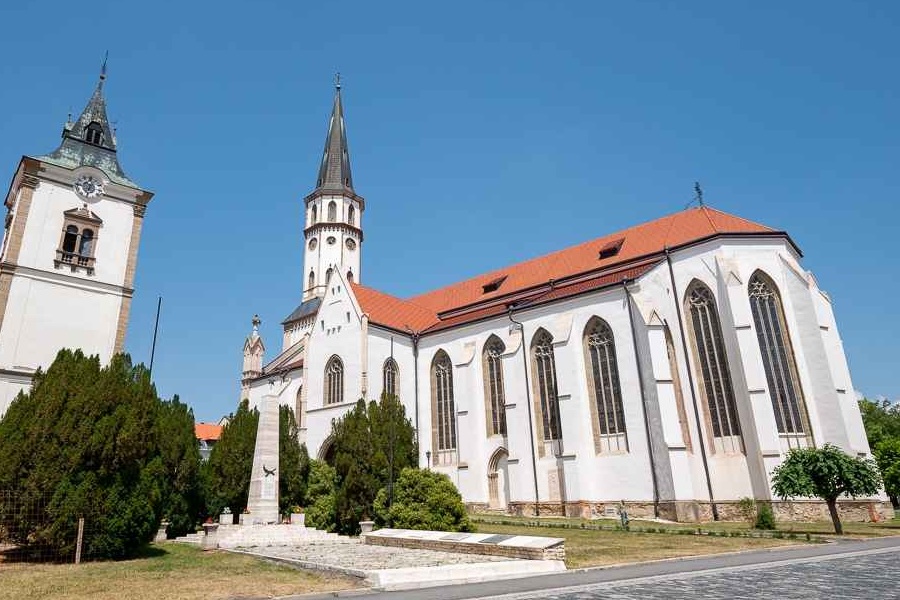
St. James Basilica
St. James Basilica in Levoča is one of the most important sacred monuments in Slovakia and is part of a site inscribed on the UNESCO World Heritage List. This Gothic landmark of the historic centre houses a valuable interior with numerous works of art, its greatest treasure being the main altar by Master Paul of Levoča – the tallest late Gothic wooden altar in the world.
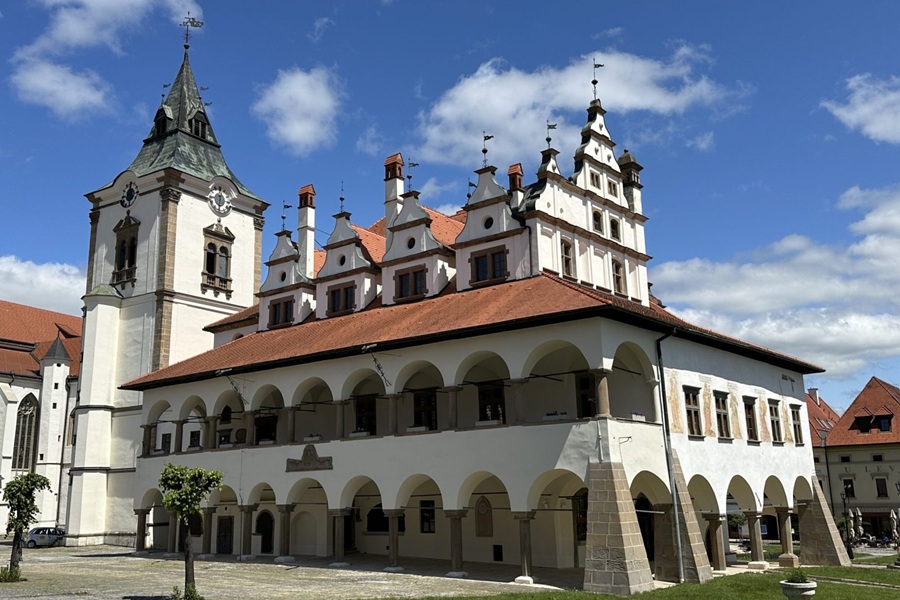
Historic Town Hall
The Town Hall of Levoča is one of the most important monuments in the city’s historic centre and one of the oldest town halls in Slovakia. Its present appearance bears strong Renaissance features, especially its characteristic arcades, which give it a unique character. The building stands directly on Master Paul’s Square and remains an important symbol of Levoča’s history and urban life.
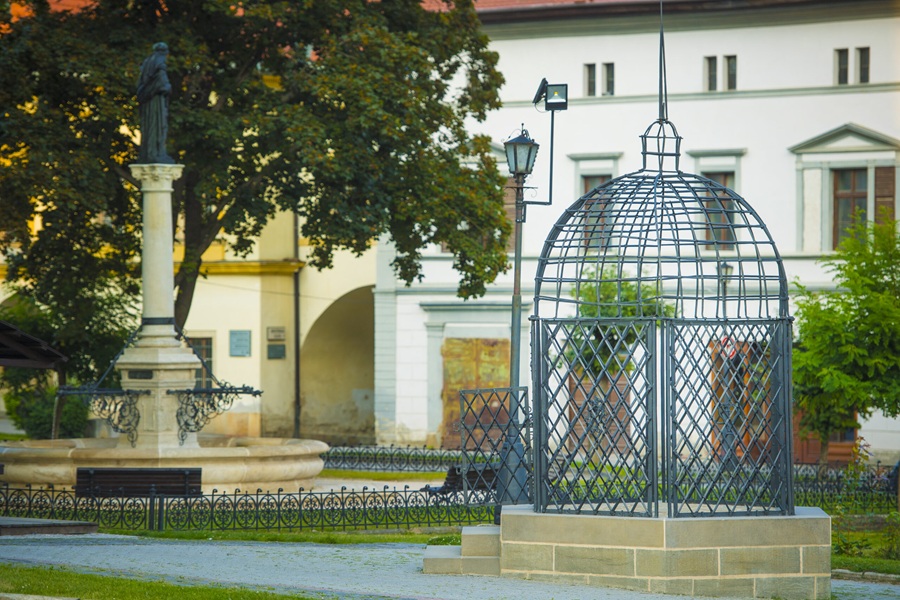
Medieval Cage of Shame
The Cage of Shame is one of the most interesting historical monuments in Levoča. This 16th-century medieval pillory was used to punish minor offences and today stands in front of the town hall on Master Paul’s Square. Its characteristic domed shape and decoration with wrought-iron hearts and lilies make it a unique symbol of the town.
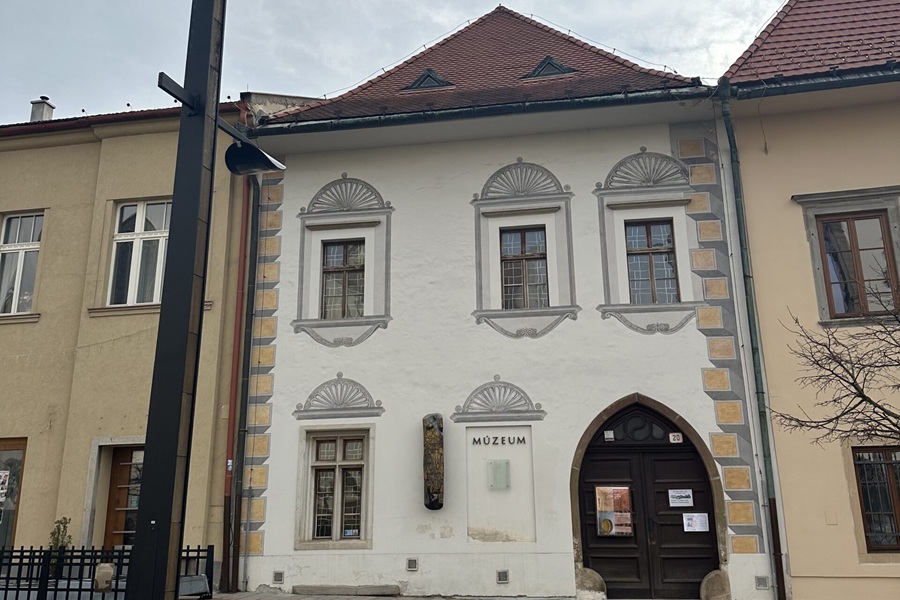
Master Paul’s House
Master Paul’s House is one of the important historical monuments of Levoča and is located directly on Master Paul’s Square. This Gothic burgher house, with its preserved Gothic pointed portal and shell-decorated façade, houses an exhibition dedicated to the life and work of Master Paul of Levoča, one of the most important masters of the Late Gothic period. The building is also remarkable for its historic character and forms an important part of the city’s cultural heritage.
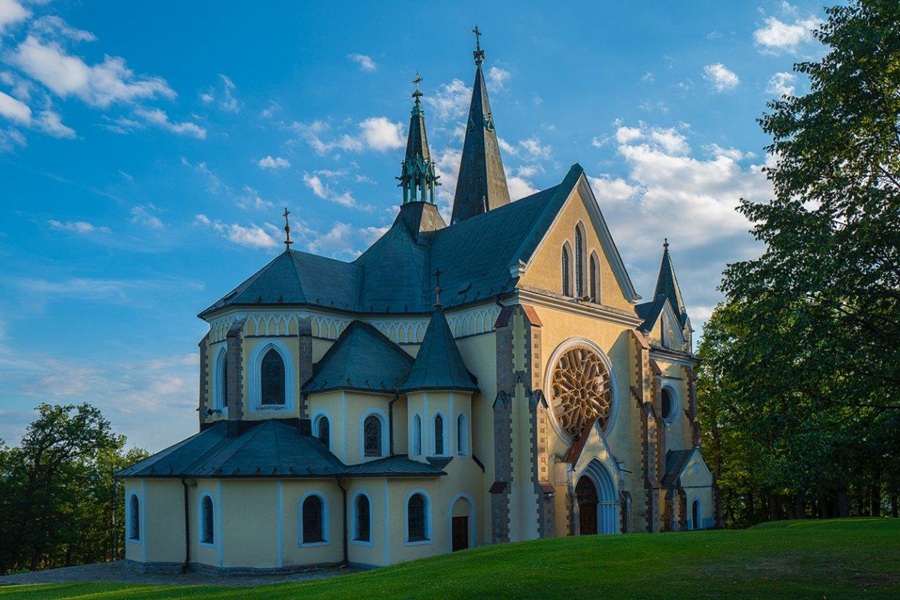
Basilica of the Visitation of the Virgin Mary on Mariánska hora
The Basilica of the Visitation of the Virgin Mary on Mariánska hora is one of the most important Marian pilgrimage sites in Slovakia. Its history dates back to the 13th century, while the present form of the church was created at the beginning of the 20th century. Overlooking Levoča, this landmark is an important spiritual and cultural symbol of the region and every year becomes the site of one of the largest pilgrimages in Slovakia.
Poland
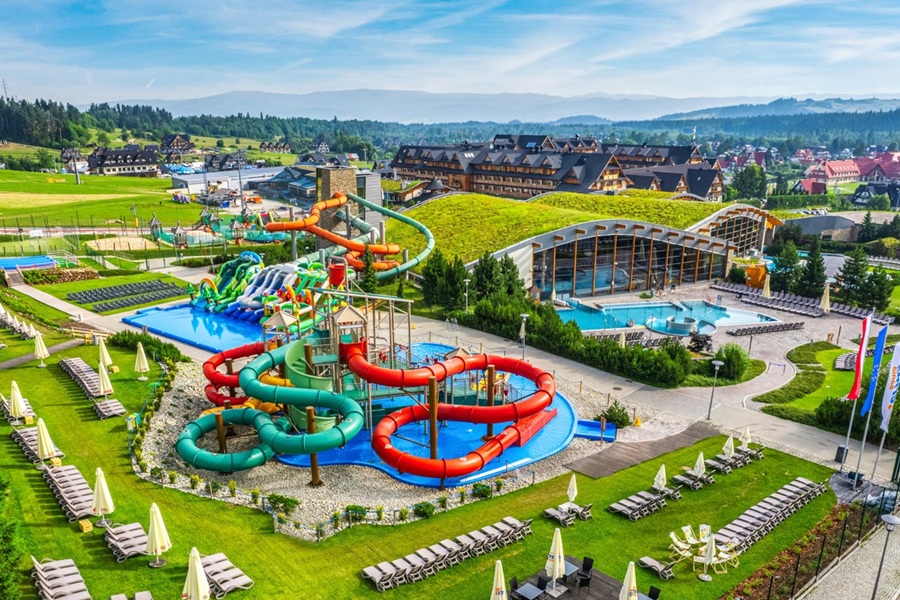
Terma Bania (Białka Tatrzańska – PL)
The thermal water park in nearby Białka Tatrzańska offers a wide range of pools and water attractions for the whole family. The resort is divided into a fun zone with water slides and attractions, a relaxation zone with seating pools and massage jets, and a large sauna zone. In summer, the area also offers an outdoor fun zone for children with water games and slides.
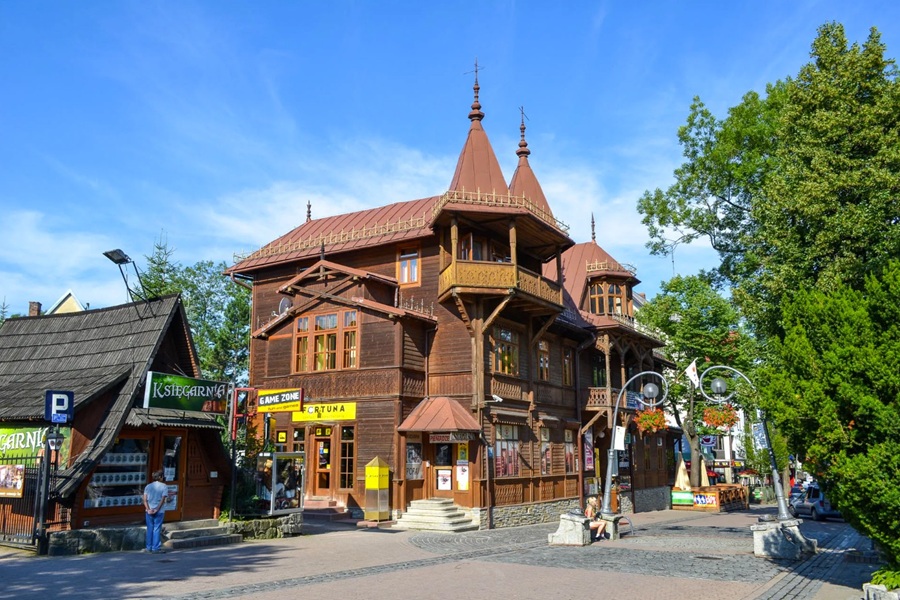
Krupówki (Zakopane – PL)
Krupówki is the most famous street in Zakopane and the natural centre of the town. This popular pedestrian zone is lined with shops, cafés, restaurants and buildings in the typical Goralian style, creating the unique atmosphere of a town beneath the Tatras. Krupówki is a symbol of local tradition, culture and vibrant life in the heart of the Polish Tatras.